
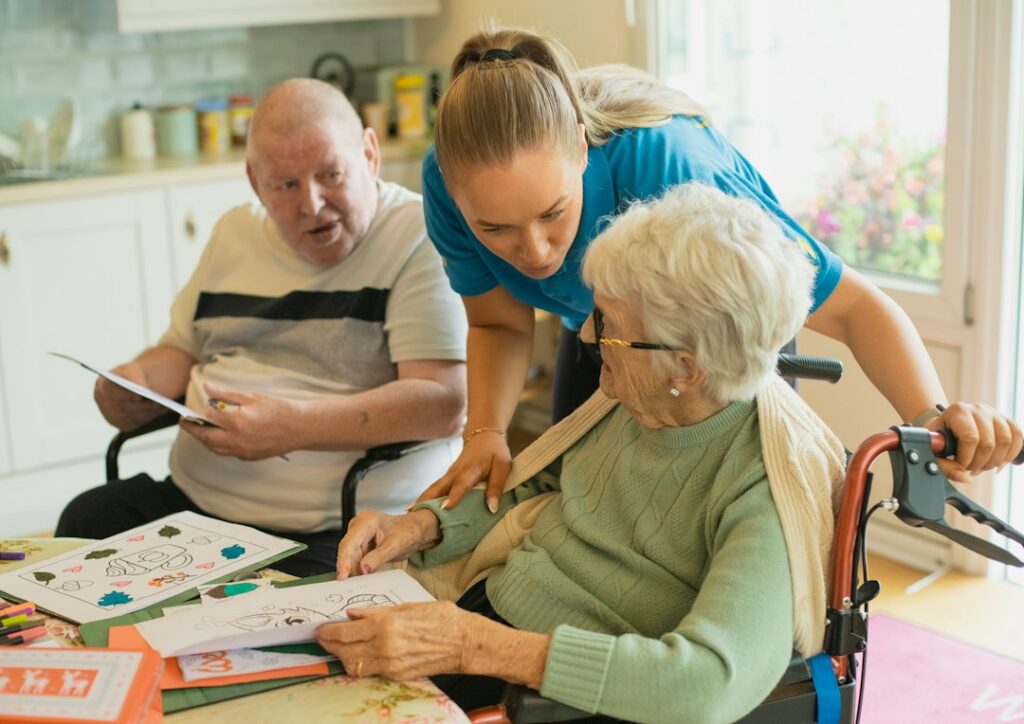
Personalized care plans help assisted living residents receive support that reflects their health needs, routines, preferences, and goals. Rather than treating every resident the same, a thoughtful plan explains what assistance is needed, how it should be provided, and how care should change when circumstances change.
What is a personalized care plan?
A personalized care plan is a written guide for supporting an individual resident. It typically includes information about medical conditions, medications, mobility, personal care, nutrition, communication preferences, sleep habits, social interests, and safety concerns.
The plan may also describe what the resident can do independently and where assistance is needed. This distinction matters because preserving independence is part of good care. A resident who can choose clothing, feed themselves, or walk safely with a mobility aid should not lose those abilities simply because other tasks require help.
Care plans are usually developed with input from the resident, family members or representatives when appropriate, and members of the care team. The resident’s own preferences should remain central whenever the person can communicate informed choices.
Why does individualized care matter?
Individualized care improves safety, consistency, dignity, and quality of life. Two residents may have the same diagnosis but need very different types of support.
For example, one person with arthritis may need extra time and adaptive equipment for dressing, while another may need help mainly with bathing and medication reminders. A resident with memory loss may respond well to calm verbal prompts, while another may become confused by too many instructions at once.
A care plan helps staff understand these differences. It also gives families a clearer way to discuss concerns and track whether support remains appropriate.
What should a care plan include?
A complete plan should address more than medical information. Important areas may include:
- Daily routines: Preferred wake-up times, bathing habits, meal schedules, rest periods, and bedtime routines.
- Personal care: Assistance with dressing, grooming, toileting, bathing, and oral care.
- Mobility and transfers: Walking ability, use of mobility devices, fall risks, and the level of help needed when standing or moving.
- Medications and health conditions: Medication schedules, allergies, symptoms to observe, and instructions from healthcare providers.
- Nutrition and hydration: Food preferences, swallowing concerns, dietary restrictions, fluid needs, and assistance during meals.
- Communication: Hearing or vision limitations, preferred language, effective ways to give instructions, and signs of discomfort.
- Cognitive and emotional support: Memory changes, routines that reduce anxiety, behavioral triggers, and calming strategies.
- Social and personal interests: Hobbies, religious or cultural practices, preferred activities, and meaningful connections.
- Emergency information: Important contacts, advance directives, and steps to take during a health or safety event.
The strongest plans describe practical actions. “Needs support with mobility” is less useful than “uses a rolling walker and needs standby assistance when moving from the room to the dining area.”
How do care plans protect resident independence?
A personalized plan should identify abilities as well as limitations. This prevents unnecessary assistance that can gradually reduce strength, confidence, and decision-making.
For instance, a resident may need help setting up a shower but be able to wash independently. Another person may need verbal reminders to take part in an activity but not hands-on assistance. These details allow support to be provided without taking over tasks the resident can still manage.
Independence also includes personal choices. Residents may have preferences about clothing, food, visitors, activities, room routines, and how care is explained. Respecting those choices is not an optional courtesy; it is part of treating the resident as an individual.
When should a care plan be updated?
Care plans should be reviewed regularly and whenever a meaningful change occurs. A review may be needed after a fall, hospitalization, new diagnosis, medication change, noticeable weight loss, worsening memory problems, or a change in walking ability.
Updates may also be appropriate after a resident settles into assisted living and staff learn more about daily habits. The first plan is based on information available at move-in. Observations over time may show that the resident needs different support in the morning than in the evening, or that a particular approach causes frustration.
Seasonal conditions can also affect routines. In Sanatoga, winter cold, ice, and shorter daylight hours may influence outdoor activity, transportation, fall prevention, and clothing needs. Warmer, humid weather may increase the need to monitor hydration and comfort. A responsive plan accounts for these practical changes without restricting residents more than necessary.
Who should participate in creating the plan?
The resident should participate as much as possible. Family members can provide helpful information about routines, past abilities, communication styles, cultural preferences, and early signs of illness. However, family input should support the resident’s voice rather than replace it.
The care team may include nursing staff, aides, medication staff, therapists, dietary personnel, and activity staff. Each may notice different aspects of the resident’s needs. A physical therapist may provide guidance about safe transfers, while an aide may notice that the resident becomes tired before dinner.

A healthcare provider may also need to contribute information about diagnoses, medications, treatment instructions, and follow-up care. Clear communication among everyone involved reduces the risk of conflicting instructions.
What questions can families ask about a care plan?
Families may find it useful to ask:
- What tasks can the resident do independently?
- What type of assistance is needed, and at what times of day?
- How are falls, medication changes, appetite, hydration, and sleep monitored?
- What changes should prompt a review?
- How are the resident’s preferences documented?
- What happens if the resident refuses care or becomes distressed?
- How are family observations shared with the care team?
- How is the plan updated after a hospital stay or significant health change?
These questions focus attention on how the plan works in daily life, not just whether a document exists.
What are common problems with care plans?
A care plan can be accurate on paper but less effective in practice if it is too general, outdated, or not shared with the people providing daily assistance. Another problem occurs when the plan focuses only on diagnoses and overlooks personality, habits, relationships, and personal goals.
Plans may also become overly restrictive after a single incident. For example, a fall may lead to unnecessary limits on walking rather than a careful review of footwear, lighting, mobility equipment, medication effects, and supervision needs. Safety concerns deserve attention, but restrictions should be proportionate and regularly reconsidered.
Families should pay attention to repeated differences between the written plan and the resident’s actual experience. Patterns such as missed meals, increased confusion, frequent refusal of care, or new difficulty walking may signal that the plan needs review.
How can residents and families support better care planning?
Useful information is specific and current. Instead of saying that a resident is “difficult in the morning,” it may help to explain that the person wakes slowly, dislikes being rushed, and responds better when given two simple choices.
Families can share a brief personal history, preferred routines, important relationships, calming activities, and signs that the resident is not feeling well. Residents can state what kind of help feels comfortable and which decisions they want to make independently.
Personalized care planning works best as an ongoing conversation. It should reflect the resident as a whole person and change as needs, abilities, preferences, and goals change.
